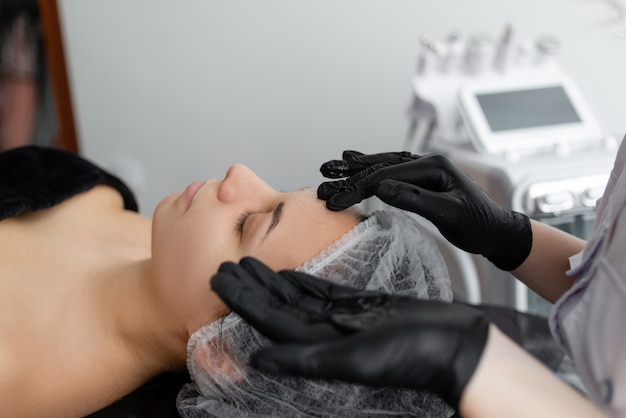
Cosmetic procedures can boost confidence and enhance self-esteem when approached responsibly. For many people, a single procedure can feel empowering, providing a renewed sense of control over their appearance. However, when cosmetic enhancements begin to feel like a necessity rather than a choice, they may signal a deeper pattern of compulsive behavior. Understanding the difference between self-care and habitual cosmetic alteration is essential for both mental health and overall well-being.
Understanding Cosmetic Procedure Compulsion
Cosmetic procedure compulsion occurs when individuals pursue repeated enhancements in a way that negatively affects their life, relationships, or emotional health. Unlike occasional self-care, compulsive cosmetic behaviors often stem from deeper psychological concerns, including anxiety, body dysmorphic disorder, or unresolved trauma. This type of behavior can resemble other addictive patterns, making it important to recognize early signs.
Signs Cosmetic Alterations May Have Become a Habit
Some indicators that cosmetic procedures are moving beyond self-care include:
- Frequent procedures without satisfaction: Feeling the need to schedule new enhancements soon after completing one.
- Emotional dependence: Using cosmetic changes as a primary method for coping with stress, low self-esteem, or negative emotions.
- Financial strain: Spending excessive amounts on cosmetic treatments despite other financial responsibilities.
- Social or occupational interference: Prioritizing cosmetic alterations over relationships, work, or personal goals.
Recognizing these patterns early can help individuals seek guidance before the behavior becomes more entrenched.
The Connection Between Cosmetic Habits and Mental Health
Compulsive cosmetic behaviors often intersect with mental health challenges. Conditions such as anxiety, depression, or trauma history can drive repeated enhancements as a form of emotional regulation. Understanding this connection is critical for recovery. Approaching cosmetic behavior through a mental health lens allows individuals to address the underlying emotional drivers rather than simply focusing on appearance.
Holistic Approaches to Support
At centers like estetik-merkezleri, holistic and individualized approaches are central to helping individuals break the cycle of cosmetic compulsion. Integrating mental health counseling, faith-based support, and structured inpatient or outpatient care can provide the tools necessary for long-term healing. Holistic care may include:
- Therapeutic support: Cognitive behavioral therapy and individual counseling to identify triggers and develop coping strategies.
- Family involvement: Educating loved ones to create supportive environments and strengthen accountability.
- Mind-body practices: Meditation, mindfulness, and wellness routines to foster self-esteem beyond appearance.
- Faith-based guidance: Optional spiritual support for those seeking meaning and purpose in their recovery journey.
Practical Steps for Individuals Concerned About Cosmetic Habits
- Self-assessment: Track your motivations and frequency of cosmetic procedures. Identify emotional triggers.
- Seek professional guidance: Engage with mental health specialists experienced in addiction and compulsive behaviors.
- Develop coping strategies: Replace cosmetic habits with healthy alternatives like therapy, creative outlets, or physical activity.
- Build a support network: Include friends, family, or support groups who understand and encourage holistic recovery.
Conclusion
Cosmetic procedures can enhance self-esteem and confidence, but when they become a habitual response to stress or emotional discomfort, they may indicate deeper mental health needs. Recognizing the line between self-care and compulsion is essential for maintaining balance and well-being. With compassionate guidance, individualized treatment, and holistic support, it is possible to break the cycle of compulsive cosmetic behavior and cultivate a healthier relationship with oneself.
If you or a loved one finds that cosmetic procedures are beginning to feel like a necessity, reaching out for professional support is the first step toward reclaiming balance and true self-confidence. Contact estetik-merkezleri today to explore personalized care options tailored to your mental health and recovery needs.