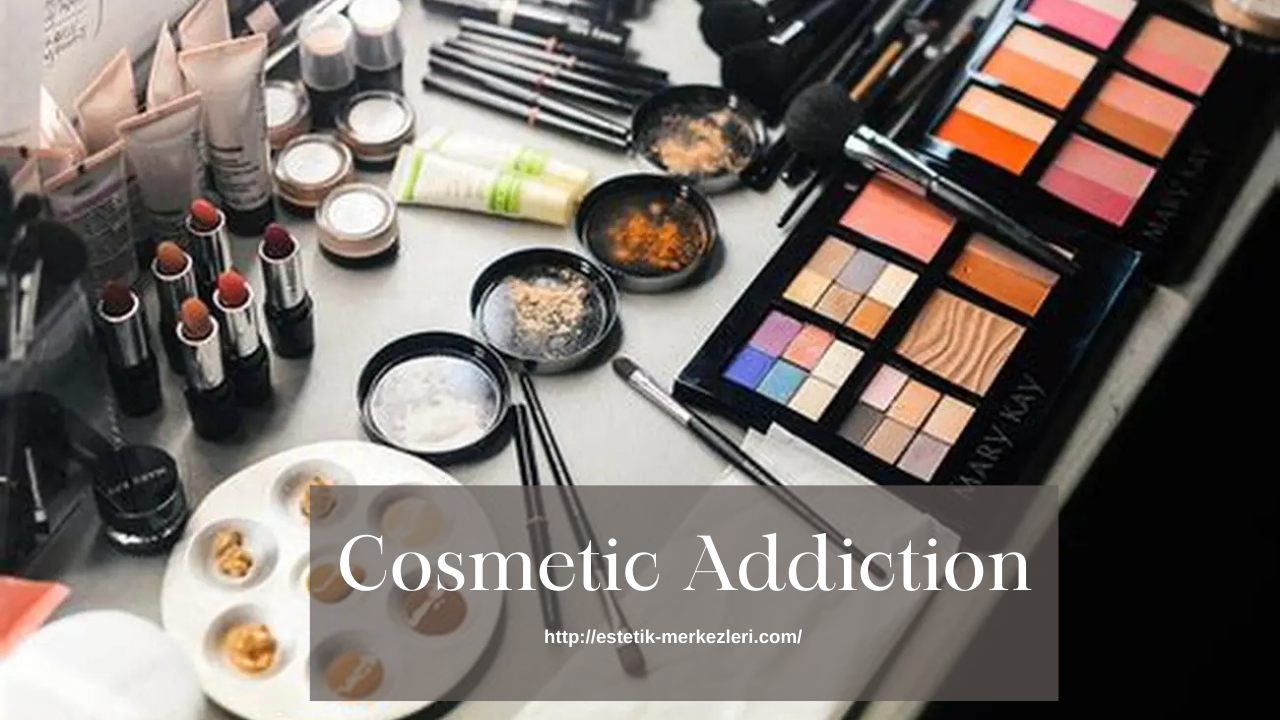
Cosmetic procedures can be empowering. They often help individuals feel more confident, address long-standing insecurities, and enhance overall well-being. For many, a single treatment or minor adjustment is enough to boost self-esteem. However, when the pursuit of beauty becomes an ongoing cycle, what once built confidence can turn into dependency. Cosmetic addiction is a growing concern, and understanding its risks is essential for anyone considering or already undergoing repeated enhancements.
From Self-Care to Self-Obsession
At first, cosmetic procedures may seem like simple acts of self-care. Botox, fillers, or a lift might provide immediate satisfaction and a renewed sense of self. The challenge begins when that satisfaction fades quickly, and the urge for “just one more” procedure becomes stronger. Over time, this pattern can develop into dependency, where the individual feels they cannot be confident or happy without another treatment.
Cosmetic addiction is not only about appearance. It is deeply tied to mental health and emotional well-being. Without addressing the root causes of dissatisfaction, the cycle can feel endless and overwhelming.
The Psychological Roots of Cosmetic Dependency
Body Dysmorphic Disorder (BDD)
A common link to cosmetic addiction is Body Dysmorphic Disorder. Individuals with BDD may focus intensely on perceived flaws that others hardly notice, leading them to pursue multiple procedures that never truly satisfy.
Low Self-Esteem and Anxiety
Cosmetic enhancements can become coping mechanisms for deeper struggles such as anxiety, depression, or low self-worth. While the procedure may provide temporary relief, it does not resolve the emotional pain that drives the desire for change.
The Role of Social Pressures
Social media, celebrity culture, and constant exposure to unrealistic beauty standards can amplify insecurities. The pressure to maintain a flawless appearance can fuel dependency on cosmetic treatments.
Recognizing the Signs of Cosmetic Addiction
It is important to identify when confidence has turned into dependency. Some red flags include:
- Feeling dissatisfied even after multiple procedures
- Constantly seeking new treatments to correct minor or imagined flaws
- Experiencing distress or anxiety when unable to schedule the next procedure
- Ignoring medical advice in pursuit of more enhancements
- Strained relationships or financial stress due to repeated procedures
Recognizing these signs is the first step toward breaking free from the cycle.
A Holistic Path to Healing
At Estetik Merkezleri, we understand that cosmetic addiction is not simply about physical appearance. It is about the underlying emotional, mental, and sometimes spiritual challenges that drive the compulsion. Our recovery programs combine:
- Addiction recovery services to help address compulsive behaviors
- Mental health treatment for conditions such as BDD, anxiety, or depression
- Inpatient and outpatient care to provide flexible support
- Holistic and faith-based approaches that heal the whole person—mind, body, and spirit
Every individual receives a personalized treatment plan designed to uncover the deeper roots of addiction and build long-term resilience.
Choosing Recovery Over Dependency
Confidence does not come from endless enhancements. True self-worth is built through healing, acceptance, and self-understanding. Breaking the cycle of cosmetic addiction is possible, but it requires compassionate support and professional guidance.
If you or someone you love feels trapped in dependency on cosmetic procedures, know that help is available. At Estetik Merkezleri, we are committed to guiding individuals toward balance, recovery, and lasting confidence that is not tied to appearance.
Take the first step today and reach out. Your journey to genuine healing and self-acceptance begins here.