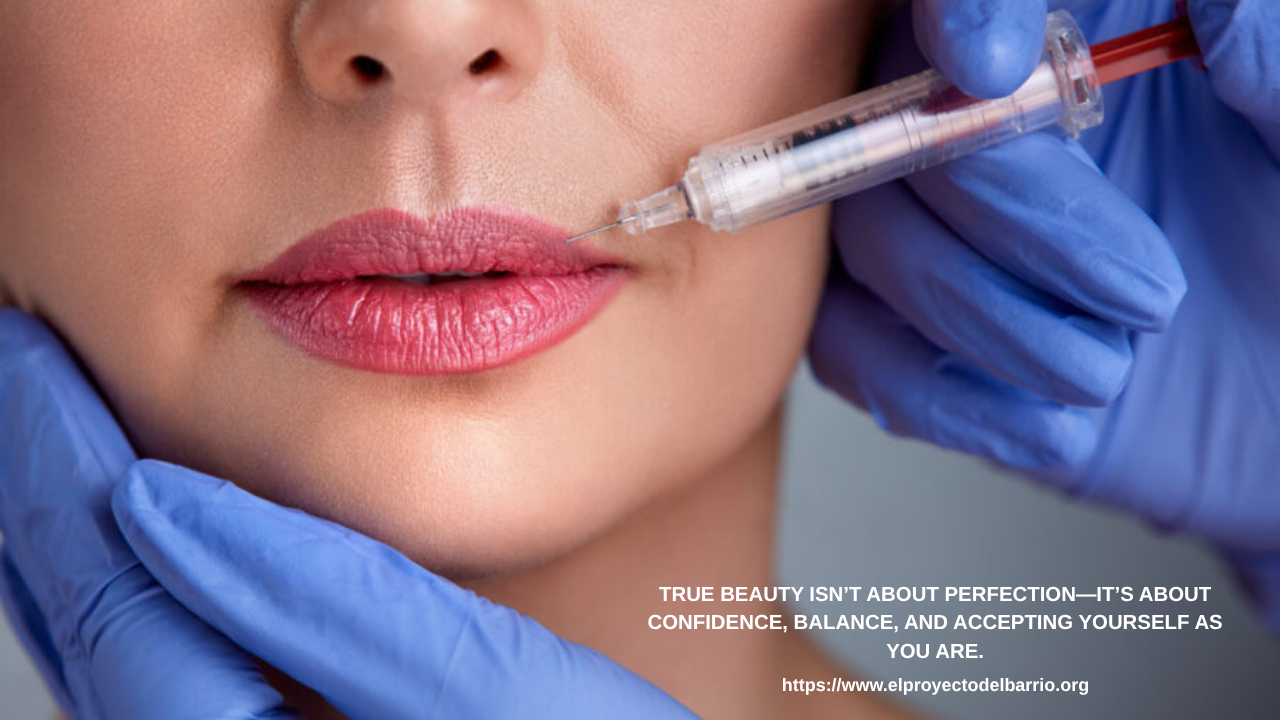
In a society that prizes flawless appearances and youthful looks, cosmetic procedures have become more accessible and popular than ever before. From non-invasive treatments like Botox and fillers to surgical interventions such as rhinoplasty and facelifts, the options are endless. While these procedures can offer a boost in confidence, a growing number of people are falling into the perfection trap—developing a dependency on cosmetic enhancements that goes beyond self-care. This phenomenon, often referred to as cosmetic procedure addiction, is becoming a concerning trend.
When Beauty Becomes an Obsession
At first glance, cosmetic procedures may seem like a harmless way to enhance one’s appearance. Many people start with a simple treatment to correct a perceived flaw or slow the aging process. However, for some individuals, these procedures become more than occasional touch-ups—they turn into a compulsive behavior driven by an obsession with perfection.
The constant pursuit of “fixing” perceived imperfections can create a cycle where one procedure leads to another, and then another. What was meant to be a one-time improvement becomes a series of treatments aimed at reaching an ever-changing and often unattainable beauty ideal.
The Role of Body Dysmorphic Disorder (BDD)
A major factor behind cosmetic procedure addiction is Body Dysmorphic Disorder (BDD), a mental health condition where individuals become preoccupied with flaws in their appearance—flaws that are often minor or invisible to others. People with BDD may seek out cosmetic procedures in hopes of alleviating their insecurities, but the emotional relief is usually temporary. Once one feature is altered, they quickly shift focus to another, believing that perfection is just one more procedure away.
Unfortunately, cosmetic interventions rarely address the underlying psychological issues. Instead of feeling better after a procedure, those with BDD often feel worse, perpetuating a dangerous cycle of dissatisfaction and further enhancements.
The Influence of Social Media and Beauty Standards
Social media platforms amplify the problem. Filtered images, beauty apps, and influencer culture have set unrealistic expectations for how people should look. Scrolling through flawless photos can make ordinary, natural appearances seem inadequate. This constant comparison can drive people to pursue cosmetic procedures not out of personal desire, but out of social pressure to conform.
Recognizing the Signs of Cosmetic Procedure Addiction
Some warning signs of cosmetic procedure addiction include:
- A preoccupation with appearance that dominates daily life
- Repeated cosmetic procedures without lasting satisfaction
- Emotional distress or anxiety about perceived flaws
- Frequent visits to multiple providers seeking additional treatments
- Ignoring risks or medical advice in the pursuit of perfection
Finding Balance and Seeking Help
While cosmetic procedures can be empowering when done for the right reasons, it’s important to recognize when they shift from self-care to obsession. If you or someone you know is caught in the perfection trap, seeking support from mental health professionals is essential. Therapy, particularly cognitive behavioral therapy (CBT), can help address the root of body image issues and build healthier self-esteem.
True beauty isn’t about perfection—it’s about confidence, balance, and accepting yourself as you are.