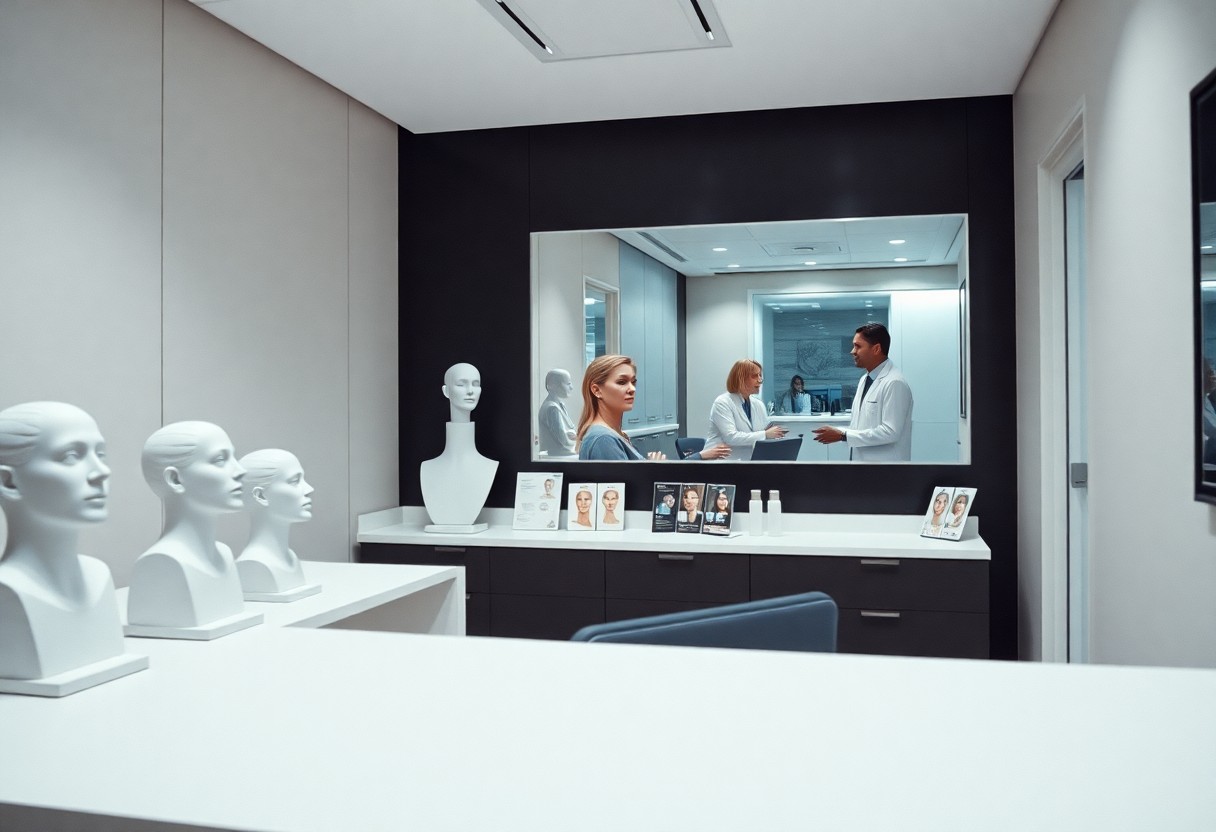
Many individuals approach cosmetic procedures as a form of self-care and personal expression. A single treatment can boost confidence and provide a renewed sense of self. However, for some, what begins as an occasional enhancement can evolve into a pattern of frequent procedures. This cycle of cosmetic alteration dependence can have profound implications for mental health, emotional well-being, and overall life balance. Recognizing the signs early is essential to maintaining a healthy relationship with appearance and self-esteem.
What Is Cosmetic Alteration Dependence?
Cosmetic alteration dependence occurs when a person feels compelled to pursue repeated enhancements beyond what is necessary or desired for self-care. Unlike routine treatments, this dependence is driven by underlying psychological factors, including anxiety, low self-esteem, or body image concerns. Individuals may feel that each procedure is essential to achieving satisfaction, creating a cycle that can be difficult to break without professional support.
Signs You May Be Experiencing Dependence
Identifying early indicators can help prevent cosmetic behaviors from negatively impacting your life. Some common signs include:
- Repeated procedures without satisfaction: Feeling that no enhancement is ever enough.
- Emotional reliance: Using cosmetic alterations as a primary coping mechanism for stress or self-doubt.
- Impact on relationships and work: Prioritizing procedures over social connections, family, or career responsibilities.
- Financial strain: Continuously spending significant resources on enhancements beyond your means.
Understanding these signs can help individuals take proactive steps toward healthier habits.
The Connection Between Cosmetic Procedures and Mental Health
Compulsive cosmetic behavior often overlaps with mental health challenges. Anxiety, depression, and body dysmorphic disorder can drive individuals to repeatedly alter their appearance in an effort to achieve perceived perfection. Without addressing these underlying concerns, cosmetic procedures may only provide temporary relief and can exacerbate feelings of dissatisfaction or stress.
Holistic Approaches to Breaking the Cycle
At estetik-merkezleri, individualized and holistic care is central to supporting those experiencing compulsive cosmetic behavior. Treatment approaches often include:
Mental Health Support
Professional counseling and therapy help identify the root causes of compulsive cosmetic behavior. Cognitive behavioral therapy, trauma-informed care, and personalized counseling strategies enable individuals to develop healthier coping mechanisms, address self-esteem challenges, and improve overall emotional regulation.
Faith-Based and Emotional Guidance
For those who find strength in spiritual support, faith-based approaches can provide guidance, meaning, and a sense of purpose. Combining mental health care with spiritual support can help individuals rebuild self-worth and foster resilience.
Inpatient and Outpatient Care Options
Structured care programs offer a safe environment for recovery. Inpatient programs provide intensive support and monitoring, while outpatient care allows individuals to maintain daily routines while receiving ongoing guidance. Both options prioritize individualized care plans designed to meet each person’s unique needs.
Mind-Body Integration
Incorporating mindfulness, meditation, and wellness practices promotes emotional balance and self-compassion. These strategies help individuals cultivate confidence and self-esteem independent of appearance, reducing reliance on cosmetic procedures.
Practical Steps for Maintaining Healthy Cosmetic Habits
- Assess your motivations: Understand why you pursue cosmetic procedures and identify triggers.
- Seek professional guidance: Consult mental health specialists experienced in compulsive behaviors and addiction recovery.
- Develop healthy alternatives: Replace the urge for cosmetic procedures with activities that foster self-esteem and emotional well-being.
- Engage support networks: Lean on family, friends, or support groups for accountability and encouragement.
Conclusion
Cosmetic procedures can enhance confidence and allow individuals to express themselves, but when pursued compulsively, they may signal deeper mental health concerns. Recognizing the signs of cosmetic alteration dependence and seeking compassionate, individualized care is essential for long-term well-being.
At estetik-merkezleri, our holistic approach integrates mental health support, faith-based guidance, and structured inpatient or outpatient care to help individuals break the cycle of compulsive cosmetic behavior. If you or a loved one struggles with frequent cosmetic procedures, reaching out for professional support can be the first step toward achieving balance, self-confidence, and emotional wellness. Contact estetik-merkezleri today to explore personalized care solutions tailored to your needs.