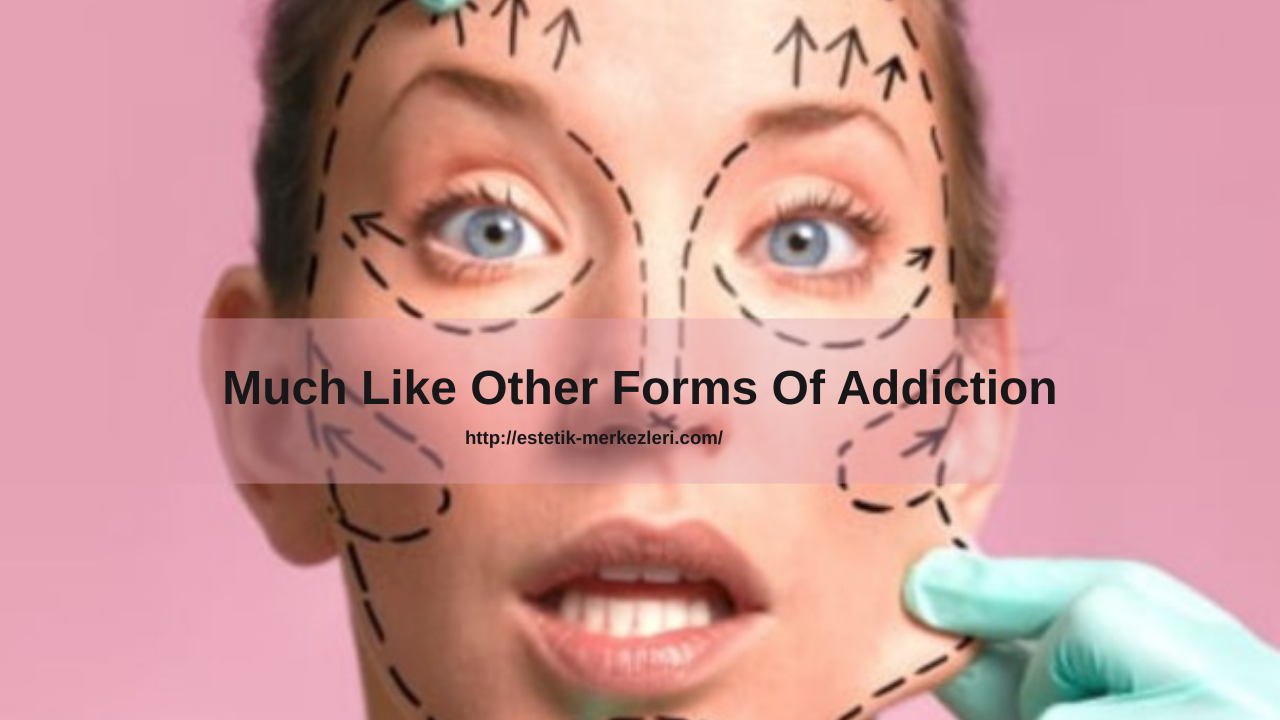
Cosmetic surgery is often seen as a pathway to greater confidence and self-expression. For many, a small change can make a meaningful difference in how they see themselves. However, when the pursuit of beauty becomes constant and overwhelming, it may signal something deeper than simple self-care. Cosmetic surgery addiction is a growing concern, one that can affect mental health, relationships, and overall well-being. Recognizing the signs early is the first step toward finding balance and healing.
When Cosmetic Surgery Crosses the Line
Undergoing one or two procedures to correct or enhance certain features is not unusual. Yet, for some individuals, the need for surgery never seems to end. After one enhancement, another flaw may suddenly appear, creating a cycle of dissatisfaction. This is when cosmetic surgery stops being a choice and becomes a compulsion.
Much like other forms of addiction, the temporary satisfaction from a procedure quickly fades. The individual may begin planning the next surgery almost immediately, hoping that this time, they will finally feel content. Unfortunately, the underlying issue is rarely about appearance alone.
Psychological Roots of Cosmetic Surgery Addiction
Cosmetic surgery addiction often has deep psychological roots. Many who struggle with it also battle conditions such as Body Dysmorphic Disorder (BDD), anxiety, or depression. These mental health challenges distort self-image, leading people to believe that they are never attractive enough.
Even after multiple procedures, the relief is short-lived because the emotional wounds remain unaddressed. Without treating the psychological side, the pattern of repeated surgeries continues, leaving the person feeling more and more trapped.
The Influence of Culture and Social Media
Today’s beauty standards are shaped by constant exposure to filtered images and celebrity lifestyles. Social media encourages comparison, making individuals feel that they need to look flawless to be accepted. This cultural pressure can fuel the compulsion to seek surgery, turning what was once an option into an ongoing expectation.
Understanding how these external forces impact self-esteem is crucial. It helps individuals see that the drive for perfection is not always coming from within but is often influenced by unrealistic cultural ideals.
Warning Signs to Watch For
Recognizing cosmetic surgery addiction is not always simple, but there are clear signs to look for:
- Persistent dissatisfaction with appearance, no matter how many procedures are done
- Obsessing over minor or imagined flaws
- Ignoring medical advice when told further surgery is unnecessary
- Strained relationships or financial stress due to repeated procedures
- Anxiety or distress when results are not “perfect”
If you or someone you care about is experiencing these patterns, it may be time to seek professional guidance.
A Holistic Approach to Recovery
At Estetik Merkezleri, we believe recovery requires addressing both the mind and the body. Cosmetic surgery addiction is not just about external appearance. It is about healing from within. That is why our programs combine evidence-based mental health treatment with holistic therapies designed to restore balance.
We offer both inpatient and outpatient care to meet individual needs, along with faith-based support for those who draw strength from spiritual healing. Every treatment plan is personalized, ensuring that each client receives compassionate care focused on their unique journey.
Taking the First Step Toward Healing
True confidence is not built on endless procedures but on self-acceptance and inner peace. If you or someone you love feels caught in the cycle of cosmetic surgery addiction, know that support is available.
At Estetik Merkezleri, we are dedicated to helping individuals break free from the constant pursuit of perfection and discover a healthier, more fulfilling path. Reach out today to take the first step toward lasting recovery and genuine self-confidence.