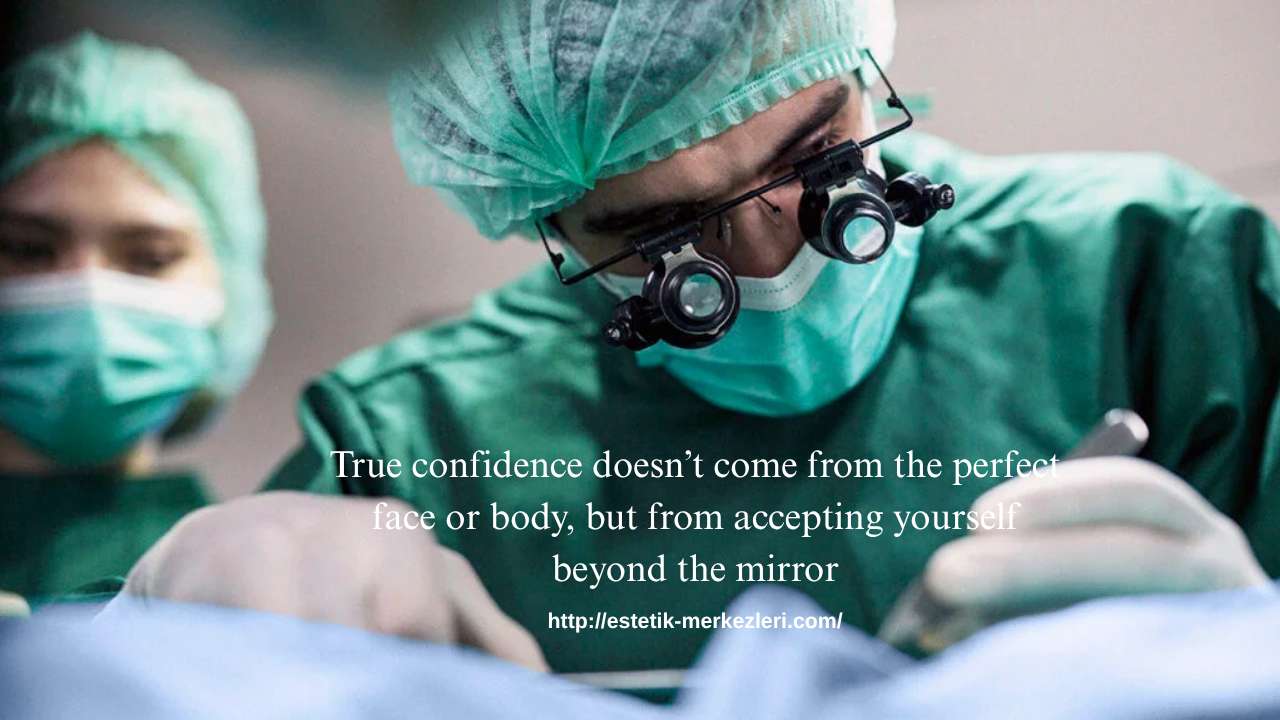
In today’s beauty-obsessed culture, looking good isn’t just encouraged—it’s expected. The rise of cosmetic enhancements, from injectable fillers to full surgical makeovers, has made achieving the “perfect look” more attainable than ever. While these procedures can offer confidence and a sense of control over aging or physical features, a growing number of individuals are falling into a dangerous cycle: becoming addicted to aesthetic enhancements.
What begins as a simple fix—a little Botox, a small lip filler—can snowball into a dependency that’s difficult to stop. The lines blur between self-care and self-obsession, and the desire to improve becomes a relentless pursuit of flawlessness.
The Allure of Perfection
Cosmetic procedures are often marketed as empowering, and in many cases, they are. A rhinoplasty that resolves long-standing insecurity or a non-invasive lift that restores youthful contours can provide a real boost in self-esteem. However, when procedures become frequent, routine, or emotionally driven, they can cross into unhealthy territory.
Many people who become addicted to aesthetic treatments describe a fleeting high after each procedure. The changes bring momentary satisfaction, but that feeling quickly fades, giving way to a new perceived imperfection. One enhancement leads to another—and then another—in a cycle driven not by necessity, but by emotional dependency.
Psychological Roots: More Than Skin Deep
At the core of aesthetic addiction often lies Body Dysmorphic Disorder (BDD), a mental health condition in which individuals obsess over perceived flaws in their appearance—flaws that are often invisible to others. Those suffering from BDD may fixate on small features such as the shape of their nose, lips, or skin texture, and seek cosmetic work in an attempt to fix what they believe is wrong.
Unfortunately, cosmetic procedures typically fail to resolve the underlying psychological distress. Many individuals report feeling even more dissatisfied post-treatment, leading them to seek further corrections. The obsession with reaching an unattainable standard of beauty becomes a psychological trap.
Social Media and Unrealistic Standards
Fueling this obsession is the ever-present influence of social media. Filtered images, heavily edited selfies, and influencers promoting their cosmetic journeys create a false sense of what’s “normal.” As more people undergo enhancements, the standard for natural beauty becomes increasingly distorted, making untouched appearances seem less acceptable.
This cultural pressure can push people—especially young women and men—into believing that constant cosmetic upgrades are necessary to stay attractive, relevant, and accepted.
Knowing When Enough Is Enough
Recognizing cosmetic addiction isn’t always easy. Red flags include:
- Never feeling satisfied with how you look, even after procedures
- Frequently changing cosmetic providers in search of “better” results
- Obsessive behavior around mirrors, photos, or body comparisons
- Emotional distress when treatments wear off or don’t meet expectations
If these signs sound familiar, it may be time to pause and reflect. Seeking support from a therapist or mental health professional is an important step toward rebuilding self-esteem from the inside out.
Cosmetic enhancements can empower—but only when driven by self-love, not self-loathing. True confidence doesn’t come from the perfect face or body, but from accepting yourself beyond the mirror.