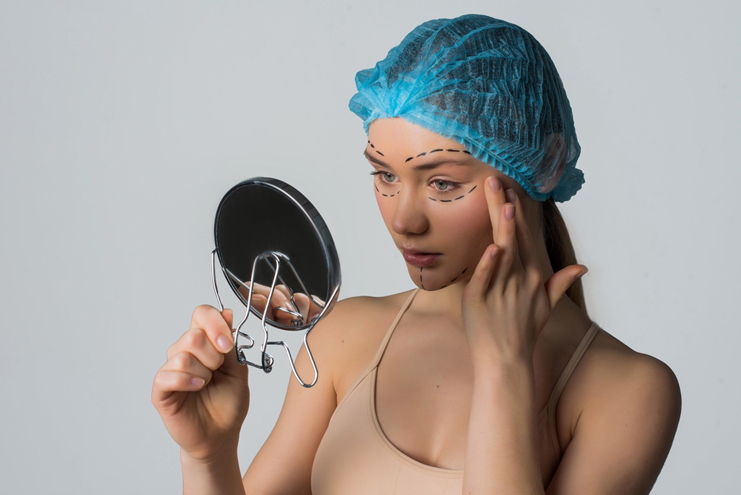
Cosmetic procedures can be a positive choice for people who want to feel more comfortable and confident in their appearance. However, when the desire for cosmetic changes becomes persistent, difficult to control, or closely tied to emotional distress, the behavior deserves a closer look. Repeated cosmetic procedures may sometimes reflect deeper concerns involving self-esteem, anxiety, body image, or compulsive behavior. Understanding the psychology behind cosmetic procedure dependence can help individuals recognize unhealthy patterns and find appropriate mental health support without shame or judgment.
When Cosmetic Procedures Stop Feeling Like a Choice
Choosing a cosmetic procedure does not automatically indicate a problem. People make personal decisions about their appearance for many different reasons. The concern arises when those decisions become increasingly driven by anxiety, dissatisfaction, or a feeling that another procedure is necessary to feel acceptable.
For some individuals, a cosmetic treatment may initially provide a powerful sense of relief. They may feel happier, more confident, or less focused on a perceived imperfection. Unfortunately, that relief may not last. New concerns can emerge, or the original dissatisfaction may return. As a result, another procedure can begin to feel like the only solution.
Over time, this pattern can become emotionally exhausting.
Recognizing Signs of Compulsive Cosmetic Behavior
Several warning signs may suggest that cosmetic procedures have become more than occasional personal care:
- Feeling dissatisfied shortly after a procedure
- Constantly identifying new physical flaws
- Thinking about cosmetic treatments throughout the day
- Scheduling procedures despite financial or personal consequences
- Feeling anxious when a procedure is delayed
- Seeking reassurance about appearance but remaining unsatisfied
- Using cosmetic treatments to cope with sadness, anxiety, rejection, or stress
- Continuing to pursue procedures despite concerns from loved ones
One sign alone does not establish a mental health condition. However, several of these behaviors occurring together may be worth discussing with a qualified professional.
Why Repeated Cosmetic Procedures Can Become Compulsive
Compulsive behavior often develops because an action temporarily reduces uncomfortable emotions. The brain learns that the behavior provides relief, even when the relief is short-lived. This can reinforce the desire to repeat the behavior.
Cosmetic procedures may become part of this cycle when someone experiences intense dissatisfaction with their appearance and believes that changing it will resolve their emotional discomfort.
The Temporary Relief Cycle
A common pattern may look like this:
Appearance concern → emotional distress → cosmetic procedure → temporary relief → renewed concern → another procedure
The problem is that the procedure may address the perceived physical issue without addressing the emotional issue underneath it.
This distinction is important. If low self-worth, anxiety, trauma, or distorted body image remains untreated, changing one’s appearance may provide only temporary comfort.
Mental Health and Body Image
Body image is closely connected to emotional health. People struggling with negative body image may become intensely focused on specific features they believe are unacceptable. In some cases, these concerns can be associated with conditions such as body dysmorphic disorder.
Body dysmorphic disorder is a mental health condition involving persistent preoccupation with perceived flaws that may be minor or not noticeable to others. Professional evaluation is important because repeated cosmetic procedures may not resolve the distress associated with the condition.
Looking Beyond the Physical Appearance
Effective treatment focuses on the person’s emotional experience rather than simply trying to change the feature causing concern.
Therapy can help individuals explore questions such as:
- What emotions appear before the urge for a procedure?
- Does appearance influence my sense of personal worth?
- How do I respond when someone compliments or criticizes my appearance?
- Am I using cosmetic procedures to manage anxiety or emotional pain?
- What would confidence look like if it were not dependent on appearance?
These questions can open the door to meaningful psychological healing.
Addressing Compulsive Behavior Through Personalized Treatment
Recovery from compulsive cosmetic behavior requires an individualized approach. There is no single treatment plan that works for everyone. A person’s mental health history, relationships, coping skills, environment, and personal values all influence the type of support they may need.
Individual Therapy and Counseling
Mental health counseling can provide a safe environment for exploring the beliefs and emotions associated with cosmetic behavior. Evidence-based therapeutic approaches can help individuals challenge unhelpful thought patterns, manage emotional triggers, and develop healthier ways to respond to insecurity.
The goal is not to tell someone that they should never care about their appearance. Instead, treatment helps restore choice and balance.
Inpatient and Outpatient Care
Some individuals may benefit from a structured inpatient setting, particularly when compulsive behaviors occur alongside significant mental health or addiction concerns. Inpatient care can provide stability, professional guidance, and a supportive environment while deeper issues are addressed.
Others may benefit from outpatient treatment. Outpatient care allows individuals to receive ongoing counseling and support while continuing with work, education, family responsibilities, and other aspects of daily life.
The appropriate level of care should always be determined according to individual circumstances.
The Role of Holistic and Faith-Based Healing
Mental and emotional recovery can involve more than traditional counseling. Holistic approaches encourage individuals to consider the relationship between emotional health, physical well-being, relationships, values, and daily habits.
Mindfulness, healthy routines, stress management, creative activities, and meaningful social connections can all support a healthier relationship with oneself.
For individuals who draw strength from spirituality, faith-based support can also become an important part of the healing process. A strong sense of purpose and personal value can help individuals develop an identity that extends far beyond physical appearance.
Rebuilding Self-Worth From the Inside
One of the most important goals of recovery is learning that self-worth does not have to depend on looking perfect.
Confidence can come from relationships, personal accomplishments, compassion, resilience, values, creativity, and the ability to overcome challenges. As these areas become stronger, the emotional pressure to continually change one’s appearance may begin to decrease.
Practical Steps If You Are Concerned About Your Cosmetic Behavior
If you are questioning whether cosmetic procedures have become compulsive, consider taking a few practical steps.
Pause Before Scheduling Another Procedure
Give yourself time to identify what you are feeling. Ask whether the desire is based on a genuine personal preference or an urgent need to escape emotional discomfort.
Track Your Triggers
Keep a simple journal of when appearance concerns become strongest. Notice whether they follow stressful events, social media use, criticism, relationship difficulties, or periods of low mood.
Talk With Someone You Trust
Isolation can make compulsive patterns harder to recognize. A trusted friend, family member, counselor, or mental health professional can offer another perspective.
Seek Professional Support
If cosmetic concerns are interfering with relationships, finances, work, emotional health, or daily functioning, professional treatment may be appropriate. Reaching out does not mean that you have failed. It means you are taking your well-being seriously.
Conclusion: Healing Beyond Appearance
Cosmetic procedures are not inherently unhealthy. For many people, they are a personal choice that can contribute positively to confidence and self-expression. The concern begins when repeated procedures become difficult to control or serve as the primary way of managing emotional distress.
When beauty becomes a compulsion, the most important question is not simply, “What should I change?” It is, “What am I trying to feel, and what support can help me get there?”
Compassionate mental health treatment can help individuals understand the roots of compulsive cosmetic behavior, develop healthier coping strategies, and rebuild self-worth from within. With individualized care, holistic support, and, when appropriate, inpatient or outpatient treatment, recovery can become a realistic path forward.
If you or someone you love is struggling with repeated cosmetic procedures, persistent body image concerns, or compulsive behaviors, consider reaching out for professional help. Taking that first step can open the door to a healthier relationship with your appearance, your emotions, and yourself.