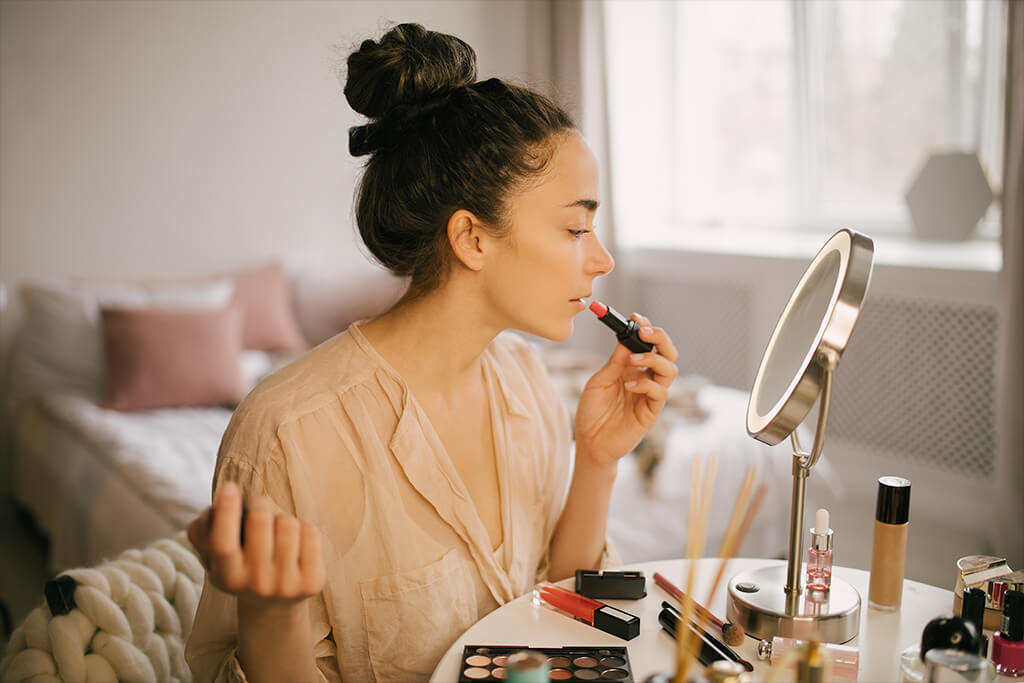
Cosmetic procedures can be empowering when they are chosen from a place of self-confidence and personal care. They can help individuals feel more aligned with their appearance and improve self-esteem. However, there is a growing concern when cosmetic enhancements shift from intentional self-improvement to repeated, emotionally driven behavior. In these cases, what begins as confidence-building can gradually turn into compulsion, affecting mental health, emotional stability, and overall well-being. Recognizing this shift early is key to maintaining a healthy relationship with both appearance and self-worth.
Understanding the Balance Between Confidence and Compulsion
Confidence in cosmetic choices comes from clarity, intention, and emotional stability. Compulsion, on the other hand, often arises when procedures are used to manage deeper emotional distress rather than enhance natural self-expression.
At estetik-merkezleri, we recognize that cosmetic behavior can sometimes reflect underlying mental health challenges. These may include anxiety, low self-esteem, trauma, or body image concerns. When left unaddressed, these issues can lead to repetitive cosmetic procedures that never fully satisfy emotional needs.
When Cosmetic Behavior Becomes Unhealthy
It is important to understand the difference between healthy self-care and compulsive patterns. Some warning signs include:
- Feeling persistent dissatisfaction even after procedures
- Believing that appearance must be constantly corrected or improved
- Experiencing anxiety or distress about minor physical imperfections
- Increasing frequency of cosmetic treatments without long-term satisfaction
- Using procedures as the primary way to cope with emotional discomfort
When these patterns appear, cosmetic behavior may be less about appearance and more about emotional regulation.
The Emotional Roots of Cosmetic Compulsion
Cosmetic compulsion does not develop overnight. It often grows gradually as individuals begin to associate appearance changes with emotional relief. While improvements may provide temporary confidence, they rarely address the underlying psychological causes.
The Cycle of Emotional Relief and Return of Dissatisfaction
Many individuals experience a repeating cycle:
- Emotional discomfort or self-criticism begins
- A cosmetic procedure is pursued for relief
- Temporary improvement in confidence occurs
- Emotional dissatisfaction gradually returns
This cycle can become exhausting and may lead to increased dependence on cosmetic procedures over time. Without support, individuals may feel stuck in a pattern that affects both emotional health and quality of life.
How Mental Health Support Can Help Break the Cycle
Addressing unhealthy cosmetic behavior requires more than changing physical appearance. It requires understanding and healing the emotional factors behind it. At estetik-merkezleri, we offer comprehensive mental health treatment designed to support individuals in rebuilding a healthier self-image.
Individualized Therapy and Emotional Healing
Through personalized counseling, individuals can explore the emotional roots of their cosmetic behavior. Therapy helps:
- Identify triggers linked to appearance dissatisfaction
- Develop healthier coping strategies for stress and anxiety
- Strengthen self-esteem beyond physical appearance
- Reduce reliance on cosmetic procedures for emotional relief
This individualized approach ensures that care is tailored to each person’s unique experience and needs.
Inpatient and Outpatient Care Options
Recovery is not one-size-fits-all. Some individuals benefit from structured inpatient care, which provides a supportive environment for deeper healing. Others may prefer outpatient care, which allows them to continue daily responsibilities while receiving ongoing therapeutic support. Both options focus on long-term emotional wellness and sustainable recovery.
Holistic and Faith-Based Support
Healing is most effective when it addresses the whole person. Holistic approaches such as mindfulness, stress management techniques, and lifestyle balance help individuals reconnect with themselves in meaningful ways. For those who seek spiritual grounding, faith-based support can provide additional strength, purpose, and emotional stability during the recovery process.
Practical Ways to Recognize and Address Unhealthy Cosmetic Behavior
If you are unsure whether your cosmetic habits are healthy or becoming compulsive, consider the following steps:
- Reflect on your motivation before scheduling procedures
- Notice whether emotional stress influences your decisions
- Pay attention to how long satisfaction lasts after enhancements
- Talk openly with a trusted professional about your concerns
- Explore alternative coping methods such as therapy or mindfulness
These steps can help you gain clarity and begin shifting toward healthier patterns.
Conclusion: Finding Balance and Moving Toward Healing
Cosmetic procedures can be a positive part of self-care when approached with balance and intention. However, when they become emotionally driven or repetitive, they may indicate deeper mental health concerns that deserve attention and care.
At estetik-merkezleri, we are committed to helping individuals find that balance through compassionate, client-centered support. Our approach combines mental health treatment, inpatient and outpatient care, and holistic healing methods to address both emotional and behavioral patterns.
If you or someone you care about is struggling to maintain a healthy relationship with cosmetic procedures, reaching out for support can be the first step toward meaningful change. Healing is possible, and with the right care, confidence can be rebuilt on a foundation of emotional well-being rather than compulsion.