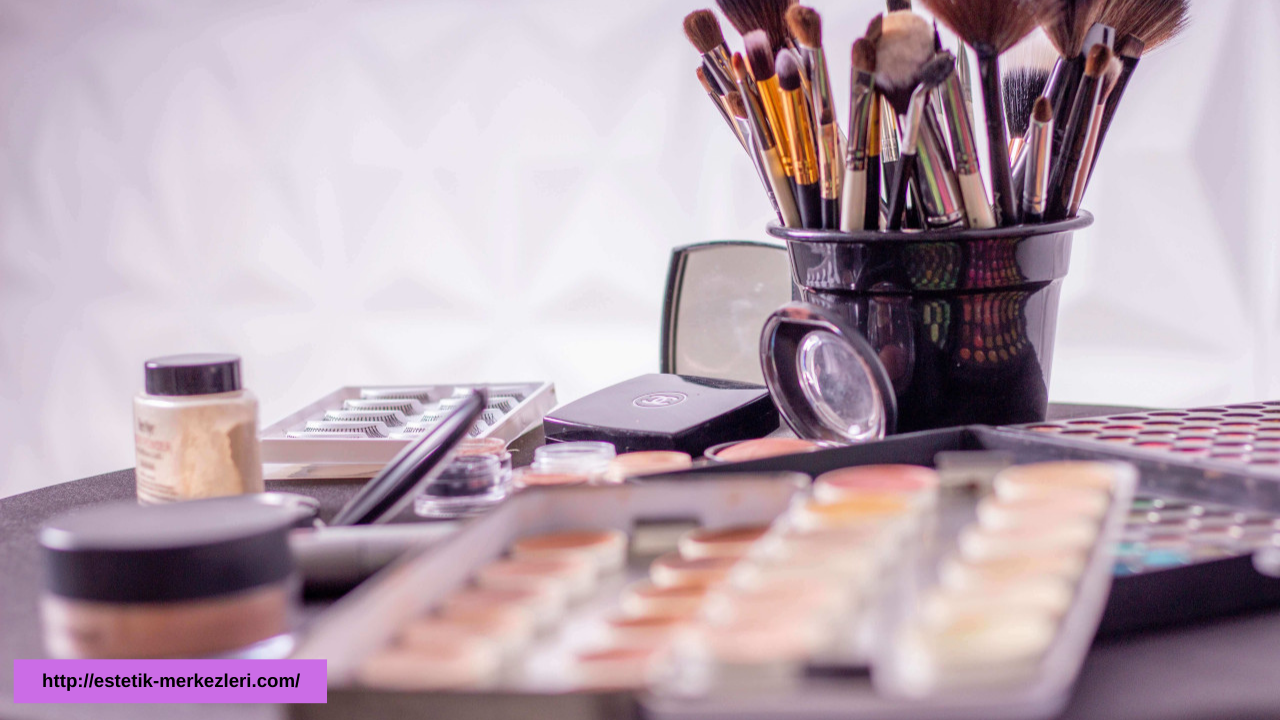
In recent years, cosmetic procedures have shifted from rare, high-end luxuries to common, everyday enhancements. Botox, fillers, facelifts, and body contouring are now as routine as hair appointments for many people. While these treatments can boost confidence and help individuals feel their best, there is a growing concern about the emotional and psychological toll when cosmetic enhancements turn into an obsession. This pattern, known as cosmetic addiction, can have effects similar to other behavioral addictions and often requires compassionate, professional intervention.
Understanding Cosmetic Addiction
Cosmetic addiction is not simply enjoying beauty treatments. It is a cycle where an individual becomes emotionally dependent on procedures to feel acceptable, attractive, or worthy. Instead of satisfaction after a treatment, they may feel anxious, dissatisfied, or immediately focused on the next perceived flaw. Over time, this constant pursuit of perfection can lead to financial strain, emotional distress, and damaged self-esteem.
The Mental Health Connection
The desire for continuous cosmetic enhancement often stems from deeper mental health challenges. One of the most common underlying conditions is Body Dysmorphic Disorder (BDD), where individuals fixate on minor or imagined flaws. No matter how many procedures they undergo, they rarely feel satisfied. In some cases, anxiety, depression, or past trauma may also fuel the compulsion to alter one’s appearance.
For these individuals, cosmetic treatments cannot address the root issue. Without proper mental health support, the cycle of dissatisfaction continues, often worsening over time.
Social Pressures and the Influence of Media
Modern culture, especially through social media, plays a powerful role in cosmetic addiction. Constant exposure to filtered images and edited videos creates unrealistic expectations of beauty. What is often forgotten is that these images are not real representations of everyday people. Yet, the pressure to keep up can drive individuals toward repeated and unnecessary enhancements, believing they must look a certain way to be valued.
Recognizing the Warning Signs
Some signs that cosmetic procedures may be turning into an unhealthy pattern include:
- Constant dissatisfaction with one’s appearance despite repeated procedures
- Seeking multiple opinions until finding a provider who will agree to perform another treatment
- Emotional distress when treatments wear off or do not meet expectations
- Prioritizing procedures over personal relationships or responsibilities
If you or someone you care about is showing these signs, it may be time to explore professional help.
A Holistic Path to Healing
At Estetik Merkezleri, we understand that cosmetic addiction is more than a beauty issue. It is often a mental health and self-worth challenge that requires compassionate, personalized care. Our team offers both inpatient and outpatient programs, integrating evidence-based therapy, faith-based guidance, and holistic healing practices. We focus on helping clients rebuild confidence from within, addressing the emotional roots of the addiction so they can step away from the cycle of constant enhancement.
Taking the Next Step
There is nothing wrong with wanting to look your best, but when the pursuit of beauty overshadows your well-being, it is time to reach out for support. Our experienced team at Estetik Merkezleri can help you find balance, restore your self-esteem, and embrace your authentic self. You do not have to face this journey alone. Contact us today to begin your path toward lasting recovery and self-acceptance.